
Nutrition Tips to Prevent Parasites
Discover science-backed dietary strategies and healthy eating habits to support your body's natural defences
Why Nutrition Matters for Parasite Prevention
A well-nourished body with strong immune function is your best defence against parasitic challenges. Proper nutrition supports your digestive health, strengthens your body's natural barriers, and provides essential nutrients for optimal wellness.
Nutrition for Health Support
Strategic dietary choices enhance your body's natural resistance. Nutrient-dense foods provide the building blocks your immune system needs to function optimally and maintain digestive wellness.
Healthy Eating Habits
Consistent dietary patterns support long-term wellness. Learn which foods promote digestive health, strengthen your immune response, and help your body maintain its natural protective mechanisms.
Complex for Energy and Endurance
A balanced nutritional approach supports sustained energy levels and overall vitality. Discover how specific nutrients work together to maintain your body's strength and natural resilience.
Essential Prevention Strategies
Master the fundamental principles of dietary support for parasite prevention through evidence-based nutrition guidelines
Fibre-Rich Foods
Whole grains, vegetables, and legumes promote healthy digestion and support your body's natural cleansing processes. High-fibre diets encourage regular digestive transit and maintain beneficial gut bacteria.
Antimicrobial Spices
Garlic, ginger, turmeric, and cinnamon contain compounds that support your body's natural defences. These traditional ingredients have been valued for centuries in wellness practices worldwide.
Protein and Amino Acids
Lean meats, fish, eggs, and plant proteins support immune function and strengthen your body's protective barriers. Adequate protein intake helps maintain muscle health and overall resilience.
Hydration and Herbal Support
Clean water, herbal teas, and nutrient-rich beverages support detoxification pathways. Proper hydration aids digestion and helps your body maintain optimal function throughout the day.
Foods That Support Natural Defence
Incorporate these nutrient-dense foods into your daily diet to strengthen your body's natural protective mechanisms

Green Leafy Vegetables
Spinach, kale, and arugula are rich in chlorophyll and minerals that support immune function. These nutrient powerhouses strengthen your body's natural defences and promote digestive wellness.
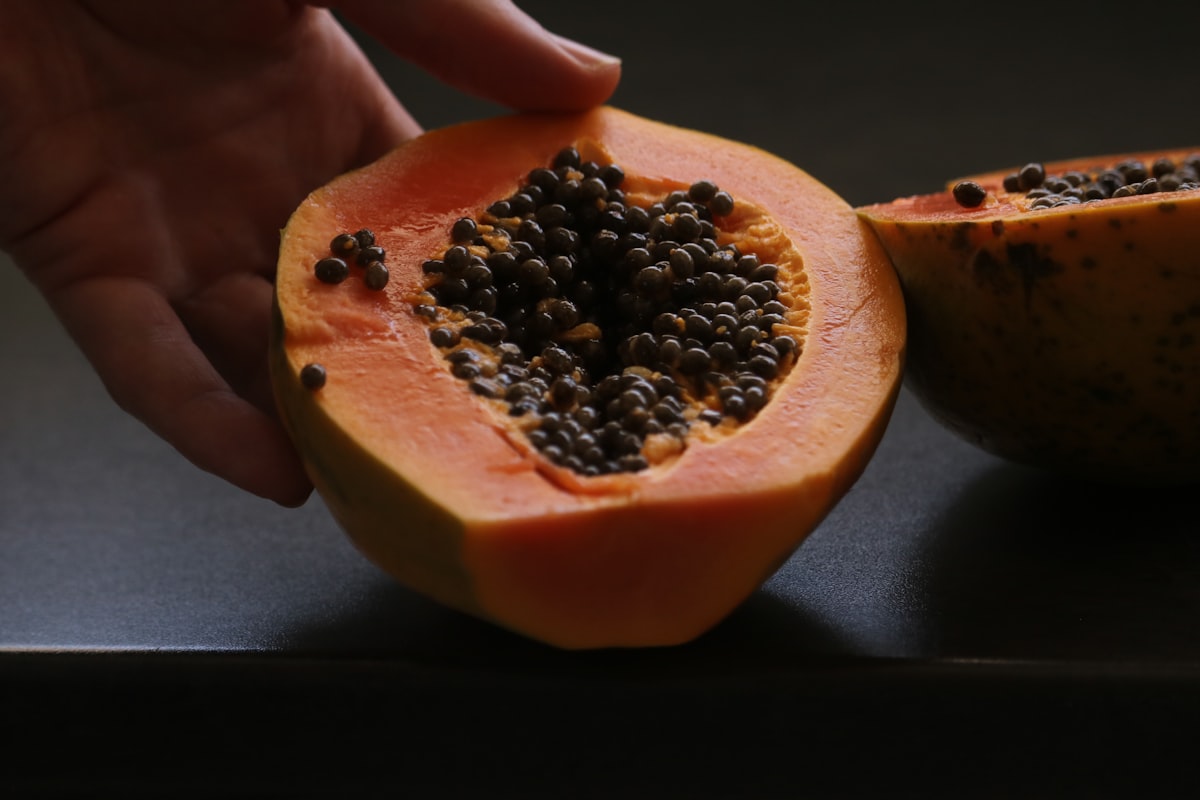
Garlic
One of nature's most powerful allies, garlic contains allicin and other compounds that support your body's natural protective mechanisms. Raw or cooked, it enhances overall wellness.

Ginger
This warming spice promotes digestive health and supports your body's natural inflammatory response. Use fresh ginger in teas, cooking, or as a wellness supplement.
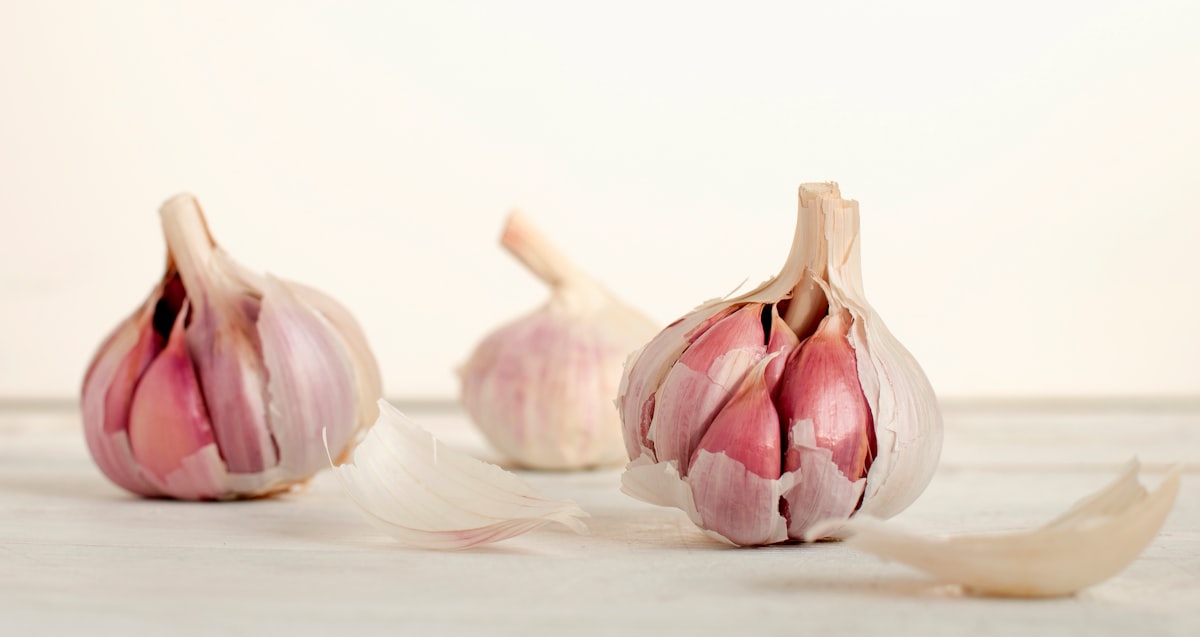
Pomegranate
Rich in antioxidants and tannins, pomegranate supports immune function and digestive health. This ancient fruit has been valued for wellness purposes for thousands of years.
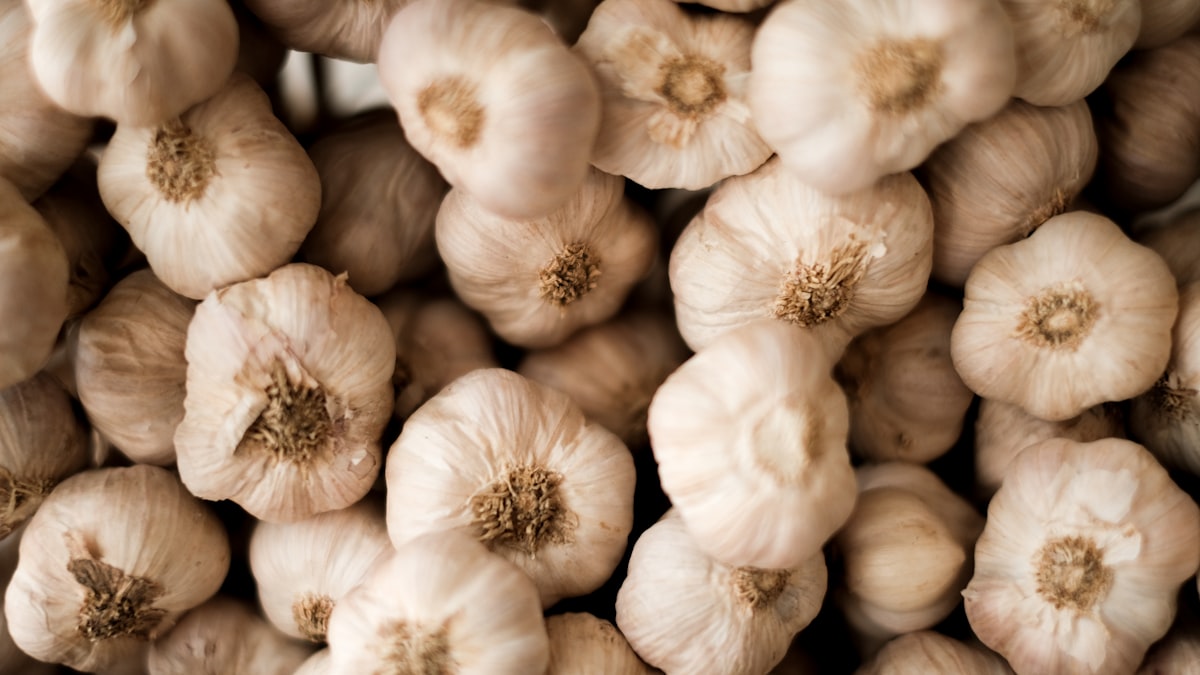
Wild-Caught Fish
Salmon, mackerel, and sardines provide omega-3 fatty acids that support immune response and reduce inflammation. These nutrient-dense proteins strengthen your body's natural defences.

Turmeric
Curcumin, the active compound in turmeric, supports immune function and promotes digestive wellness. This golden spice is central to traditional wellness practices globally.
Hear From Our Community
Real feedback from people who have embraced nutritional strategies for better health support
"After implementing these nutrition guidelines, I noticed significant improvements in my energy levels and digestive health. The dietary recommendations were clear, practical, and backed by solid information. I particularly appreciated the detailed explanations of which foods support natural defences."
Sarah Mitchell
London, United Kingdom
"The comprehensive articles on ParasiteFreenutrition helped me understand the connection between diet and immune health. I've made dietary adjustments that align with my wellness goals, and the guidance has been invaluable for maintaining consistent healthy eating habits."
James Cooper
Manchester, United Kingdom
"What impressed me most was the scientific approach combined with practical advice. The information about nutrient-dense foods and healthy eating patterns gave me confidence in making dietary choices. I've recommended these resources to family and friends interested in supporting their natural health."
Eleanor Summers
Bristol, United Kingdom
Popular Nutrition Topics
Our editorial content covers essential aspects of nutrition for parasite prevention. Explore comprehensive guides on body support, detox strategies, and everyday wellness practices based on current nutritional science.
- Rules for Body Support: Learn evidence-based dietary principles that strengthen your immune system and promote digestive wellness through consistent, practical strategies.
- Healthy Eating for Prevention: Discover meal planning tips, food combinations, and nutritional timing that support your body's natural defences and energy levels.
- Body Detox Approaches: Explore natural dietary methods that support your body's elimination pathways and promote overall vitality through proper nutrition.
- Nutrient Timing: Understand when and how to consume specific foods to maximize their benefits for immune support and sustained energy throughout the day.
Frequently Asked Questions
Find answers to common questions about nutrition, parasite prevention, and healthy eating habits
Nutrient-dense foods like garlic, ginger, turmeric, pomegranate, wild-caught fish, and leafy greens provide vitamins, minerals, and compounds that support your body's natural defences. Fibre-rich foods promote healthy digestion, which is crucial for overall wellness. Protein sources including lean meats, legumes, and eggs help maintain immune function. The key is consistency—regular consumption of these foods supports sustained health rather than occasional use.
The dietary guidelines recommend 25-30 grams of fibre daily for adults. This comes from whole grains, vegetables, fruits, legumes, and seeds. Increase your fibre intake gradually to allow your digestive system to adapt. High-fibre diets promote regular digestion, support beneficial gut bacteria, and help your body's natural cleansing processes. Pair increased fibre with adequate water intake for optimal results.
Nutrition is a crucial component of a comprehensive prevention approach. A strong, well-nourished immune system supported by proper diet works alongside other healthy habits including hygiene practices, food safety, and clean water consumption. View nutrition as one pillar of a multi-faceted strategy rather than a standalone solution. Consistent application of these principles, combined with practical preventive measures, creates the strongest foundation for health.
Individual responses vary based on starting nutritional status, consistency, and overall lifestyle. Many people notice improved energy levels and digestive function within 2-3 weeks of implementing these dietary strategies. However, building a stronger immune system is a gradual process that benefits from consistent, long-term commitment. Focus on making sustainable dietary changes rather than expecting immediate transformations. Regular adherence to these nutrition principles yields the most significant health benefits.
A well-balanced diet from whole foods provides most essential nutrients your body needs. However, certain nutrients like vitamin D (especially in northern climates), vitamin B12 (for plant-based diets), and omega-3 fatty acids may require supplementation. Before starting any supplement regimen, assess your current diet and consider your individual circumstances. Focus first on optimizing your nutrition through food choices, then address specific gaps if needed. Quality supplements should complement, not replace, a nutrient-dense diet.
Steaming, light sautéing, and raw consumption preserve more nutrients than prolonged boiling or high-heat cooking. For garlic and ginger, gentle cooking methods maintain their beneficial compounds. Roasting vegetables at moderate temperatures preserves most vitamins. Raw leafy greens maximise nutrient availability. Use minimal water when cooking vegetables, and consume cooking water in soups if possible. Vary your cooking methods to maintain nutrient diversity and food palatability across your weekly meal plan.
Explore Our Comprehensive Guides
Access our complete editorial collection covering nutrition strategies, healthy eating patterns, and evidence-based approaches to supporting your body's natural defences through proper diet.
Stay Updated With Our Latest Content
Subscribe to receive updates about new nutrition articles, prevention strategies, and wellness insights delivered to your inbox.